
For many families, pets are more than companions. They are a source of unconditional love, comfort, and joy. When it comes to supporting people living with dementia, the presence of an animal can provide unique benefits that extend beyond companionship. This can enrich daily life for both the individual and their caregiver.
Emotional Comfort and Connection
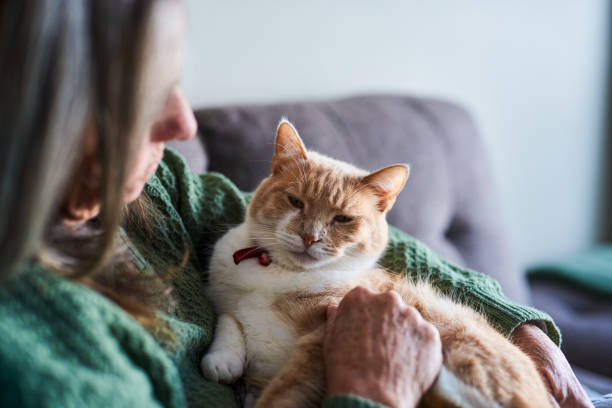
Pets offer simple, nonjudgmental companionship that can ease the feelings of loneliness, anxiety, or confusion often experienced by those with dementia. A dog resting its head on a lap or a cat curled up nearby can provide a calming presence, which helps to reduce agitation and promote emotional security. These quiet moments of comfort often restore a sense of connection and belonging, especially when words are difficult to find.
Stimulating Memory and Engagement
Animals naturally spark memories and conversation. A visit from a therapy pet may remind someone of a beloved dog from childhood, while grooming a cat can bring back long-held routines. This type of sensory engagement through touch, sight, and sound can stimulate memory recall and encourage interaction, which often leads to brighter moods and more meaningful communication.
Encouraging Physical Activity
Caring for or simply interacting with a pet can promote movement. Walking a dog, tossing a ball, or brushing fur encourages light exercise, which can support mobility, flexibility, and overall health. Even small movements—such as reaching out to stroke a pet’s back—help maintain coordination and provide opportunities for physical engagement in a joyful, natural way.

Reducing Stress for Caregivers
Pets not only benefit those living with dementia, but also provide relief for caregivers. Sharing the companionship of an animal creates moments of laughter and relaxation, breaking through the stresses of daily caregiving. Pets often act as a bridge, which makes it easier for family members and care partners to connect with their loved one in positive, uplifting ways.
Building a Sense of Purpose
Having a role in feeding, grooming, or simply caring for a pet instills a sense of responsibility and purpose. For individuals living with dementia, this can help maintain dignity and autonomy, reinforcing the feeling that they are still needed and able to contribute meaningfully to daily life.