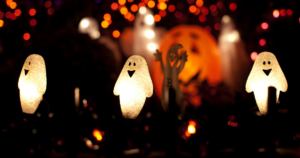
Halloween decorations can make a home feel festive, but caregivers may need to make adjustments to help a loved one living with dementia feel comfortable. Flashing lights, loud sound effects, and realistic masks may cause confusion or distress for some people. Understanding how changes in the home environment affect your loved one can help you create a dementia-friendly Halloween atmosphere that feels welcoming and familiar.
According to the National Institute on Aging, dementia caregivers can help loved ones enjoy holiday traditions by adapting activities, monitoring reactions, and allowing participation at their own pace. During Halloween, this may mean being thoughtful about decorations, lighting, and sounds, and watching closely for how these changes affect your loved one’s comfort at home.
Keep Familiar Spaces Recognizable
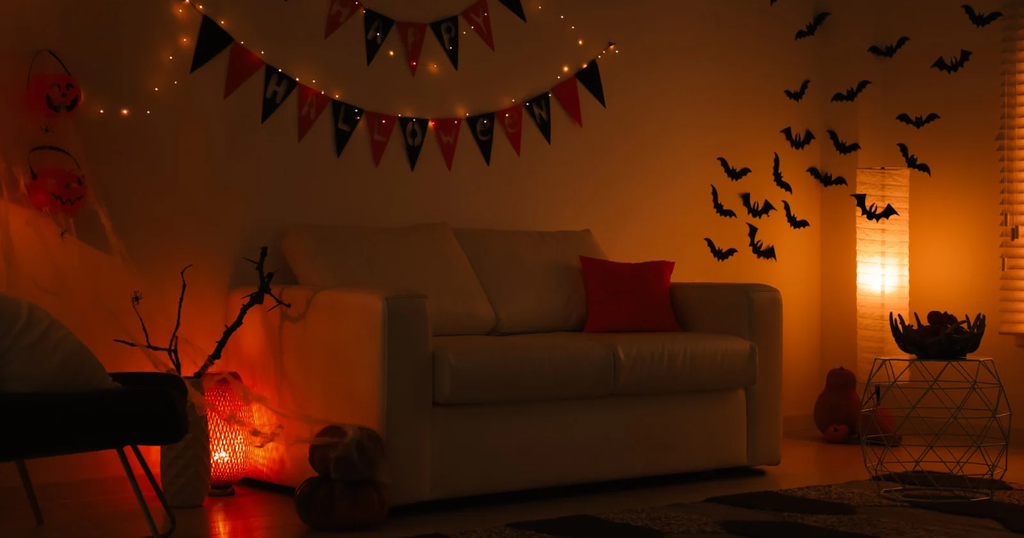
When decorating for Halloween, focus on maintaining a familiar and safe environment. Keep walkways clear, leave everyday items in their usual places, and avoid placing decorations where someone might mistake them for real objects or trip over them. You may also want to concentrate decorations in one area instead of changing the entire home. This allows you to create a festive atmosphere while keeping the rest of the environment familiar.
Adjust Lighting and Noise for Comfort
Lighting and noise can play important roles in creating a comfortable environment. The National Institute on Aging recommends reducing noise and clutter to help create a more comfortable environment for someone living with Alzheimer’s disease. Well-lit spaces help reduce confusion caused by dark corners, dramatic shadows, or flashing lights. Likewise, keeping decorations minimal and background music at a comfortable volume can make the space feel safer and less overwhelming. If you notice that a particular sound or light causes distress, try adjusting it or removing the source.
Prepare for Halloween Gatherings and Trick-or-Treaters
Halloween gatherings and frequent visitors can introduce unfamiliar faces, unexpected noises, and interruptions to the usual routine. If you are hosting a gathering, consider keeping it small and providing a quiet place where your loved one can relax if needed.
If you expect trick-or-treaters, think about how repeated doorbells and visitors in costumes might affect your loved one. You could have another family member answer the door, turn off the doorbell if it becomes distressing, or keep your loves on in a comfortable room away from the entrance.
Caregivers can also let guests know how to interact with their loved one. Encouraging visitors to approach calmly, speak clearly, and avoid startling surprises can help make the experience more comfortable.

Watch for Signs of Discomfort
Throughout the holiday, watch for any signs of discomfort—such as changes in facial expression, body language, or behavior. If your loved one becomes restless, frightened, or more confused, calmly offer reassurance and consider reducing stimulation or moving to a quieter space. The goal is to make Halloween enjoyable and comfortable by paying attention to individual needs and preferences and adjusting as needed.
Celebrate in a Way That Feels Right for Your Loved One
As a caregiver you can help your loved one enjoy Halloween by keeping his/her preferences at the center of your plans. Consider which traditions they enjoy, introduce changes gradually, and be flexible if an activity does not go as expected.
A successful celebration does not depend on elaborate decorations. What matters most is finding ways to share the holiday that feel meaningful to your loved one and manageable for you.
Sources:
Alzheimer’s Association: Alzheimer’s and Dementia Home Safety Tips
National Institute on Aging (NIA): Adapting Activities for People With Alzheimer’s Disease | National Institute on Aging</a>
National Institute on Aging (NIA): Coping With Agitation, Aggression, and Sundowning in Alzheimer’s Disease | National Institute on Aging