
As the leaves begin to change and cooler weather arrives, fall offers plenty of opportunities for families to spend meaningful time together. For families living with dementia, simple seasonal activities can provide opportunities for connection, conversation, and enjoyment without requiring complicated plans.
If you are looking for activities to do with a loved one living with dementia, consider focusing less on completing a project and more on enjoying the time together. A familiar recipe, a favorite book, or a walk outside can become a meaningful shared experience.
For families, finding ways to talk with children about dementia can also be challenging. Simple activities can provide a comfortable way for children and grandchildren to spend time with a loved one while building understanding and connection.
Here are six fall activities families can enjoy together:

1. Read a favorite book
Set aside some quiet time to read together. Children and grandchildren can take turns reading aloud. If following a story becomes difficult, look through the pictures together or talk about familiar characters and themes.
2. Bake a favorite fall recipe
Fall is a great time to revisit favorite family recipes. Bake muffins, apple crisp, cookies, or another treat your loved one remembers. Depending on their interest and abilities, they may be able to help measure, stir, or arrange items for baking.
3. Take a nature walk
A short walk is a simple way to enjoy fall. Stroll together, watch the leaves change, listen to birds, or just enjoy the cool air. Even sitting outside can help you all take in the season. Collect leaves for a craft if your loved ones enjoy art projects.
4. Create a craft
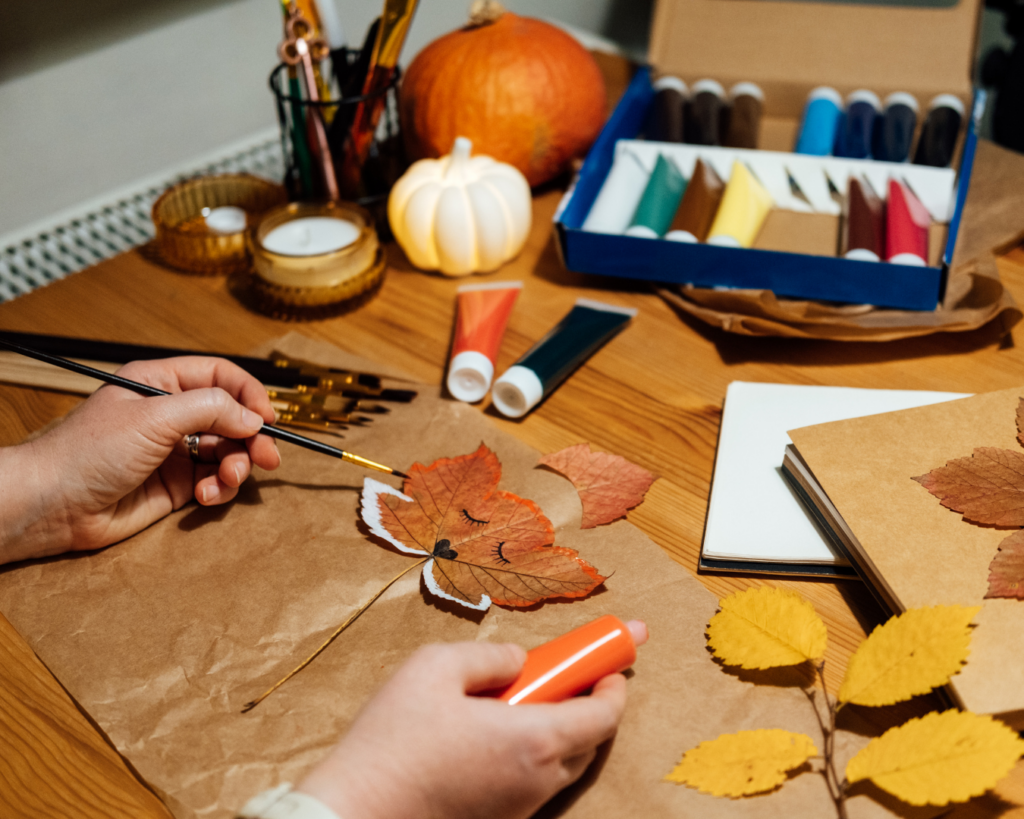
Crafts let everyone participate at their own level. Make a leaf collage, decorate paper pumpkins, or paint a fall scene. Kids can help with more involved steps while loved ones choose materials or add their own touches. Sensory activities like these can also support engagement and provide a calming, hands-on experience for both children and people living with dementia.
Familiar, repetitive activities often feel best for people with dementia. Pick something easy to adjust if your loved one gets tired or loses interest.
The goal is not a perfect craft—it is time together.
5. Share a snack
Sometimes, the simplest activities can be the most enjoyable. Sit together and share a favorite seasonal snack, such as applesauce, pumpkin bread, or another familiar treat. Use the time to talk, listen to music, or simply enjoy each other’s company.
For children and grandchildren, this can be an especially easy way to spend time with a loved one without putting pressure on them to participate in a specific activity.
6. Look through family photos
Family photos start conversations and spark memories. Take some time to look through albums together. Kids may enjoy learning about relatives, while loved ones can share stories or feelings inspired by the photos.
Try questions such as:
- “Who is in this picture?”
- “Where was this taken?”
- “What do you remember about this day?”
- “What did you enjoy doing with your family?”
If your loved one does not recall details in a photo, do not quiz them. Share what you know and keep the conversation going.

Focus on the Moment, Not the Outcome
Remember, abilities and interests change from day to day. What worked last week may feel overwhelming today. Focus on adapting activities to how your loved one feels now—not on finishing tasks. Offer choices, allow extra time, and avoid correcting mistakes. If something becomes frustrating, move on. The goal is a positive experience, not completing a task.
Families sometimes feel pressure to find the “right” activity for a loved one living with dementia. But meaningful connection does not require a complicated activity.
This fall, consider setting aside time to slow down and enjoy the people you love. Whether you are celebrating Grandparents Day or simply spending an afternoon together, small moments can create opportunities for connection at every stage of dementia.